
As digital adoption hits 80% it's time to shift our focus to a fully digitised future
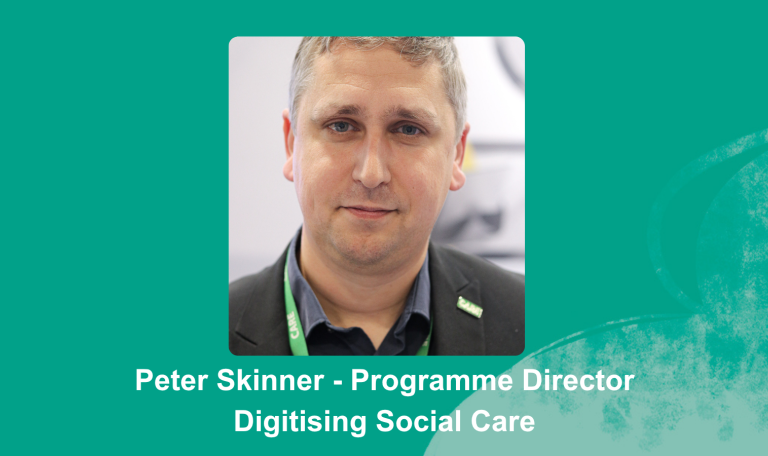
Today’s announcement by Minister of State for Care Stephen Kinnock shows the remarkable progress that has been made in the adoption of technology by adult social care providers.
More than 80% of care providers now have a digital social care record, enabling people to spend more time caring and less time doing paperwork. GP Connect is being adopted more widely, giving care staff access to approved medical information about their service users. And new care technologies are being used to help people live independent, fulfilling lives.
Social care has taken big strides towards closing the digital gap between health and social care. Over the next few years the objectives of the 10 Year Health Plan for England, particularly around neighbourhood health, present an opportunity to go much further.
Linking together social care data with the NHS will provide new ways for support to be targeted at those who need it most and ensure that multi-disciplinary teams are able to work better together. When combined with care technologies that give people more control over their own care, more independence and a better quality of life this gives us an opportunity to revolutionise people’s experience of care.
Building on the work to date, our focus will now shift to helping ensure that all care providers have an assured digital social care record in place. That will mean that the systems they use are modern, comply with security standards and can connect up with, and share information with, the NHS.
This will unlock new opportunities for care providers to rethink how they deliver care, using live data to help them proactively monitor quality and safety and ensuring that people are receiving the care they need. With these building blocks in place we can then start to build technology into care plans, rather than it being seen as an add on.
But to do this we also need to know which care technologies have the greatest impact and we are working to explore how we can use their expertise to to help signpost people towards the types of technology that are likely to be most beneficial for them.
We will then be publishing a list of standards that apply to that category of technology and intend to share a list of products that comply with those standards. Our intention is to start small, with a single type of technology, and add new categories over time. We also want to begin to share good practice guidance on how different care technologies could benefit an individual, including the potential for existing consumer technology to be used differently as we age.
The aim of all this work is to supplement rather than replace social care provision. That may be through improved monitoring of an individual’s care, reducing the time a care worker spends doing paperwork, giving a family carer key medication information or simply giving someone the confidence that, if they had a fall, someone would be notified quickly and help would be on the way.
Whatever the interventions are they need to be designed around the needs of the individual.
At a national level we can create the environment where that can happen but ultimately it is only at a local, personal level where that can be realised in practice.